What to Look for in a Shepherd’s Hut

Updated: Jun 17, 2025
Whether you’re buying a shepherd’s hut for glamping, remote working, or simply creating a peaceful escape, it’s important to know what to look for. With so many options available, understanding the key features and considerations can help you choose a hut that fits your needs and stands the test of time.

Purpose: How Will You Use the Hut?
Before anything else, consider what you want your shepherd’s hut to do. Different uses may call for different layouts, materials, or levels of finish.
For Glamping: You'll need space for a bed, seating area, kitchenette, and ideally an en-suite.
For a Garden Office or Studio: Prioritise natural light, insulation, and space for a desk or creative setup.
For Guest Accommodation: Think about sleeping space, heating, and some basic amenities for comfort.
Knowing your purpose early on will guide every other decision—from size to features to budget.
Build Quality and Materials
Not all shepherd’s huts are built to the same standard. Look for huts made with durable, weather-resistant materials—especially for year-round use in the UK.
Frame & Structure: A solid steel chassis or timber frame is key for stability.
Cladding: Thermowood, cedar, or pressure-treated timber are common exterior choices.
Roofing: Corrugated metal roofs are traditional and hard-wearing, but modern alternatives may offer better insulation.
Flooring: Engineered wood or solid timber flooring adds both comfort and durability.
Always ask about the hut’s insulation and ventilation—it’s vital for keeping the space comfortable through all seasons.
Insulation & Heating
If you plan to use your shepherd’s hut in winter or for overnight stays, good insulation is non-negotiable. Look for:
Insulated walls, floors, and ceilings
Double-glazed windows and doors
Heating options: wood-burning stoves, electric heaters, or underfloor heating
Ask about U-values if available, especially if energy efficiency is a priority.
Interior Layout & Customisation
A well-designed interior makes a huge difference in how functional and enjoyable the space is. Consider:
Space-saving design: Foldaway beds, built-in storage, compact kitchen units
Electrical points: Sockets where you need them (with USB options too)
Lighting: Natural light is great, but ambient and task lighting matters too
Personal touches: Choose finishes and fittings that suit your style
Many suppliers offer bespoke options—make the most of them to tailor the hut to your exact needs.
Utilities & Off-Grid Options
Do you need your hut connected to mains electricity and water, or are you planning for an off-grid setup?
Mains-Connected: Easier for regular use, but may require groundwork
Off-Grid: Ideal for remote sites—look for solar power systems, composting toilets, and rainwater harvesting solutions
Clarify what’s included in the build and what will need to be arranged separately.
Mobility and Positioning
Most shepherd’s huts are designed to be movable, but mobility can vary depending on design.
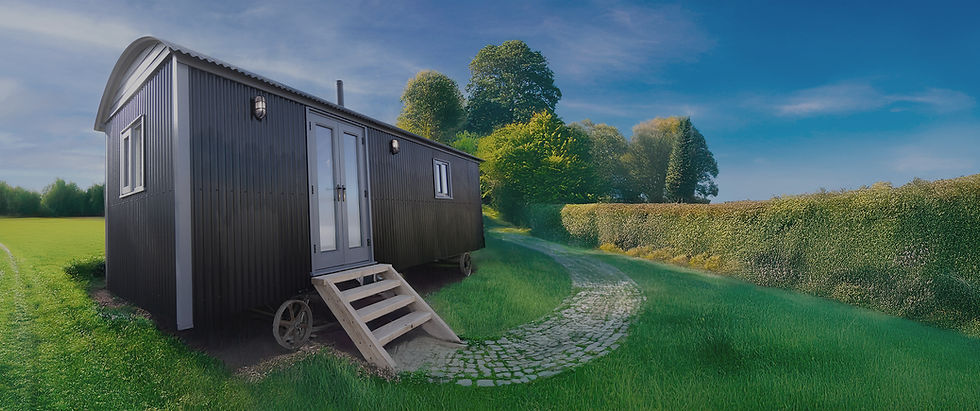
Traditional cast-iron wheels vs modern chassis with tow bars
Ease of siting: Can it be delivered and positioned easily on your land?
Do you want to move it seasonally or keep it static?
Also consider any access restrictions to your property when planning delivery.
Legal and Practical Considerations
While some huts don’t need planning permission, others might—especially if used for business or placed permanently.
Planning permission: Check with your local council early on
Building regulations: May apply for permanent or habitable use
Insurance: Make sure you can insure it as a structure or holiday let
A reputable supplier will often guide you through these aspects.
Final Thoughts
A shepherd’s hut is an investment in both character and practicality. By thinking carefully about how you’ll use it, checking build quality, and choosing features that suit your lifestyle, you can find a hut that brings charm, comfort, and long-term value to your outdoor space.
Expand Your Shepherd’s Hut Knowledge
FAQs
What size shepherd’s hut should I choose?
The ideal size depends on your intended use. For a garden office or studio, a compact hut may suffice. However, if you're planning to use it for guest accommodation or glamping, a larger hut with space for sleeping, cooking, and bathroom facilities would be more appropriate. Consider the available space on your property and how you plan to use the hut year-round.
Do I need planning permission for a shepherd’s hut in the UK?
Planning permission requirements vary depending on factors like the hut's intended use, location, and whether it's a permanent structure. It's advisable to consult your local planning authority to determine if permission is needed for your specific situation.
What materials are best for a durable shepherd’s hut?
A robust shepherd’s hut typically features a solid timber frame, treated wood or corrugated metal cladding, and a durable roof. High-quality insulation materials, such as sheep’s wool or foil-backed insulation, are essential for year-round comfort. Double-glazed windows and sturdy flooring also contribute to the hut's longevity and usability.
Can I customise the interior layout of a shepherd’s hut?
Yes, many manufacturers offer bespoke options to tailor the interior layout to your needs. Whether you require built-in furniture, specific storage solutions, or particular finishes, customisation allows you to create a space that aligns with your intended use and personal style.


Comments