The Ultimate Guide to Shepherd’s Huts UK: Everything You Need to Know

Updated: Jun 17, 2025
Shepherd’s huts have come a long way from their modest beginnings in the British countryside. Originally designed as practical, mobile shelters for shepherds during lambing season, these charming wheeled structures have since evolved into stylish, multifunctional spaces that appeal to modern homeowners, glamping entrepreneurs, and design lovers alike.
Today, the shepherd’s hut is as much about comfort and creativity as it is about heritage. Whether you’re dreaming of a tranquil countryside retreat, launching a boutique Airbnb, creating a home office with a difference, or adding a unique touch to your outdoor space, these huts offer a flexible, visually appealing solution that blends traditional craftsmanship with contemporary living.
In this guide, we’ll take you through everything you need to know about shepherd’s huts in the UK—from their origins and practical uses to design tips, planning permission, maintenance advice, and where to buy one. Whether you're a first-time buyer, a property investor, or simply curious about this enduring trend, this article is designed to help you make an informed, confident decision.

What Is a Shepherd’s Hut?
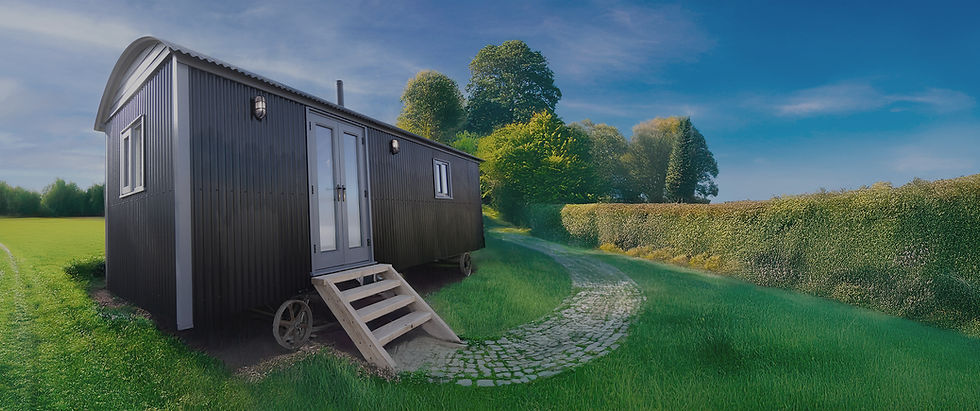
A shepherd’s hut is a traditional mobile shelter dating back to the 16th century, originally used by shepherds during lambing season. Built with cast-iron wheels and a curved tin roof, these huts provided warmth and protection while allowing the shepherd to remain close to the flock. Inside, they typically featured a wood-burning stove, a narrow bed, and basic storage. Learn more about the history of shepherd's huts.
Today, shepherd’s huts have been reimagined for modern living. While their vintage charm remains, contemporary huts are often fully insulated, fitted with electricity and plumbing, and customised for a wide range of uses—from garden offices and guest rooms to glamping pods and wellness retreats.
Most are crafted from sustainably sourced timber, built on a metal chassis for durability, and clad in traditional materials for an authentic look. They offer the perfect blend of rustic aesthetics and practical comfort—compact enough to suit smaller outdoor spaces, yet spacious and flexible enough to add real value to your home or business.
Whether you're intrigued by their history or drawn to their versatility, shepherd’s huts offer a unique way to expand your living or working space in style.
Learn more in our full article: What Is a Shepherd’s Hut?
Common Uses for a Shepherd’s Hut
Thanks to their compact size, charming design, and year-round usability, shepherd’s huts have become a popular solution for a variety of modern lifestyles. Whether you’re seeking a quiet garden hideaway, a creative studio, or a profitable guest accommodation, these versatile spaces offer both practicality and personality.
Here are some of the most popular ways people use a shepherd’s hut today:
Luxury Glamping Pods – Ideal for holiday lets, these huts can be fitted with en-suite bathrooms, kitchenettes, and comfortable sleeping areas, creating a boutique experience in natural surroundings.
Home Offices or Studios – A peaceful, detached space to focus—perfect for freelancers, remote workers, or creatives looking for inspiration.
Garden Guest Rooms or Airbnbs – Extra accommodation for visitors or paying guests, without the need for a costly extension.
Saunas, Hot Tub Rooms & Treatment Spaces – Popular for saunas, hot tub rooms, massage treatments, or yoga retreats, with bespoke layouts to match.
Retail Spaces & Farm Shops – Rustic and eye-catching, huts make excellent spaces for selling produce, crafts, or artisan goods.
These are just a few ideas—the possibilities are nearly endless. With thoughtful design and quality craftsmanship, a shepherd’s hut can be anything from a thriving business asset to a peaceful personal retreat.
Dive deeper: What’s a Shepherd’s Hut Used For?
What to Look for in a Shepherd’s Hut
Choosing the right shepherd’s hut is about more than just its rustic charm. Whether you're buying one for glamping, remote working, or simply relaxing, it’s important to consider the features that will affect how comfortable, functional, and future-proof your hut really is.
Here are the key things to look for when buying a shepherd’s hut:
Build Quality & Materials – Look for sustainable timber cladding, robust internal finishes, and a galvanised steel chassis for long-term durability. Good insulation in the roof, floor, and walls ensures it stays warm in winter and cool in summer.
Interior Layout & Usability – The best huts make the most of compact space. Consider how the layout supports your intended use, from storage and seating to space for a bed or workspace.
Double Glazing & Heating Options – Quality windows, combined with a wood-burning stove or electric heating, can make a huge difference to comfort—especially if you plan to use the hut year-round.
Size and Towability – Think about access to your site and whether you’ll need the hut to be towable. Some are delivered fully assembled, while others are built in situ.
Customisation & Utilities – A good supplier will offer flexible options, from plug-and-play electrics to full plumbing and bespoke interior fittings.
A well-built, thoughtfully designed shepherd’s hut isn’t just easier to live or work in—it’s also more valuable in the long run, whether for personal use or as a business asset.
Find out more in our full guide: What to Look for in a Shepherd’s Hut?
Do You Need Planning Permission for a Shepherd’s Hut?
One of the most frequently asked questions is: “Do I need planning permission for a shepherd’s hut?” The answer isn’t always straightforward, but it usually depends on how you plan to use it and where it’s located. While many huts are considered mobile or temporary structures, there are important exceptions that could require approval.
Here’s what you need to consider:
Whether the hut will be used for sleeping
Its location within your property or land
Its permanence (e.g. connected to mains services)
Quick Guide:
Scenario | Planning Permission Likely Needed? |
Living full-time in a Shepherd’s Hut | Yes |
Using a Shepherd’s Hut for Airbnb or holiday rentals | Yes |
Shepherd’s Hut as a garden office (ancillary use) | Maybe not, but check locally |
Temporary occasional accommodation (no services connected) | Often no, but check |
Tip: Local councils may interpret rules differently. Even if you believe your hut falls within permitted development rights, it’s a good idea to get written confirmation.
For a comprehensive overview of planning permission requirements for shepherd’s huts, you can refer to this detailed guide by Whiteacre Planning.
Always contact your local planning authority before installing a shepherd’s hut—especially if you’re planning to use it for business purposes or live in it permanently. Getting clarification early can save time and costs down the line, particularly if your hut increases the value or usability of your property.
Read the full breakdown: Planning Permission for Shepherd’s Huts
Shepherd’s Hut Interiors: Small Space, Big Style

One of the greatest joys of owning a shepherd’s hut is transforming it into a warm, functional space that feels like a world of its own. Despite their compact footprint, these interiors can be impressively versatile—with clever planning, they offer the comfort of a modern home in a beautifully characterful shell.
Whether you're styling it as a peaceful retreat, a creative workspace, or a luxurious glamping pod, the interior can be tailored to your needs and personality.
Design Features That Make a Big Impact
Built-in Storage & Foldaway Furniture – Make the most of every inch with under-seat storage, pull-out beds, and fold-down desks or dining tables. Multi-functional furniture is a must in small spaces.
Heating & Cooking – A compact wood-burning stove not only adds charm but provides efficient heat. Pair it with a small fitted kitchen or kitchenette to make the hut fully self-sufficient.
Loft Beds & En-suite Bathrooms – Use vertical space wisely. Lofted sleeping areas or raised bunks free up valuable floor space for relaxing or working below, and compact en-suites offer added convenience.
Lighting & Textures – Warm, layered lighting (such as wall sconces, fairy lights, or pendant lamps) creates ambience, while throws, cushions, and rugs add softness and style.
Choose a Style That Reflects You
Whether your taste leans towards:
Rustic farmhouse charm with reclaimed wood and antique accents,
Modern minimalism with neutral palettes and clean lines,
Scandi simplicity with whitewashed walls and pale timber, or
Boho creativity with pattern, texture, and personality—your shepherd’s hut can be designed to express your vision.
You don’t need a large footprint to create a space that feels both luxurious and thoughtfully designed. With the right details and thoughtful design, small truly can be spectacular.
See inspiring ideas: Shepherd’s Hut Interiors – Small Space, Big Style
Why Choose Tiny Homes?
At Tiny Homes, we specialise in crafting beautifully made shepherd’s huts that blend traditional charm with modern practicality. Each one is built by hand in the UK using sustainable materials and time-honoured techniques—designed to last through all seasons and serve you for years to come.
Built for Comfort and Character
Our huts sit on robust steel chassis with solid cast-iron wheels, staying true to the heritage design while ensuring long-term durability. Inside, we fit 100mm Knauf insulation and breathable membranes as standard, offering exceptional thermal efficiency and comfort all year round.
Whether you're after a peaceful garden retreat, a fully equipped home office, or a stylish glamping pod, your shepherd’s hut will be tailored to suit your lifestyle. From en-suite bathrooms to compact kitchens and wood-burning stoves, every detail is built with comfort and character in mind.
Stress-Free from Start to Finish
We’re here to make the experience smooth and enjoyable, with:
Expert guidance at every stage of the process
Flexible customisation to match your vision and budget
UK-wide delivery and installation wherever you are
Every Tiny Homes hut is made to order—crafted with care, built for comfort, and designed just for you.
Ready to design your own shepherd’s hut? Explore our range or get in touch for a bespoke consultation.
FAQs
Can a shepherd’s hut be used all year round?
Yes—many huts are fully insulated with heating options like wood burners or electric radiators, making them suitable for year-round use.
Can a Shepherd’s Hut Be Used as a Full-Time Residence?
While shepherd’s huts are versatile and can be equipped with amenities like kitchens and bathrooms, using one as a full-time residence typically requires planning permission. This is because it constitutes a change of use from a temporary or ancillary structure to a permanent dwelling. It's essential to consult with your local planning authority to understand the specific requirements and regulations in your area.
What Maintenance Is Required for a Shepherd’s Hut?
Regular maintenance ensures the longevity of your shepherd’s hut. This includes checking and treating the exterior cladding, inspecting the roof for leaks, servicing heating systems like wood-burning stoves, and ensuring that any off-grid systems are functioning correctly. Periodic inspections help in early detection of issues, keeping the hut in optimal condition.
What Are the Standard Dimensions of a Shepherd’s Hut?
Shepherd’s huts vary in size, but a common range is between 12 to 20 feet in length and about 7 to 8 feet in width. The height can vary depending on design preferences and whether features like mezzanine beds are included. Custom sizes are also available to suit specific needs and space constraints.

Comments